
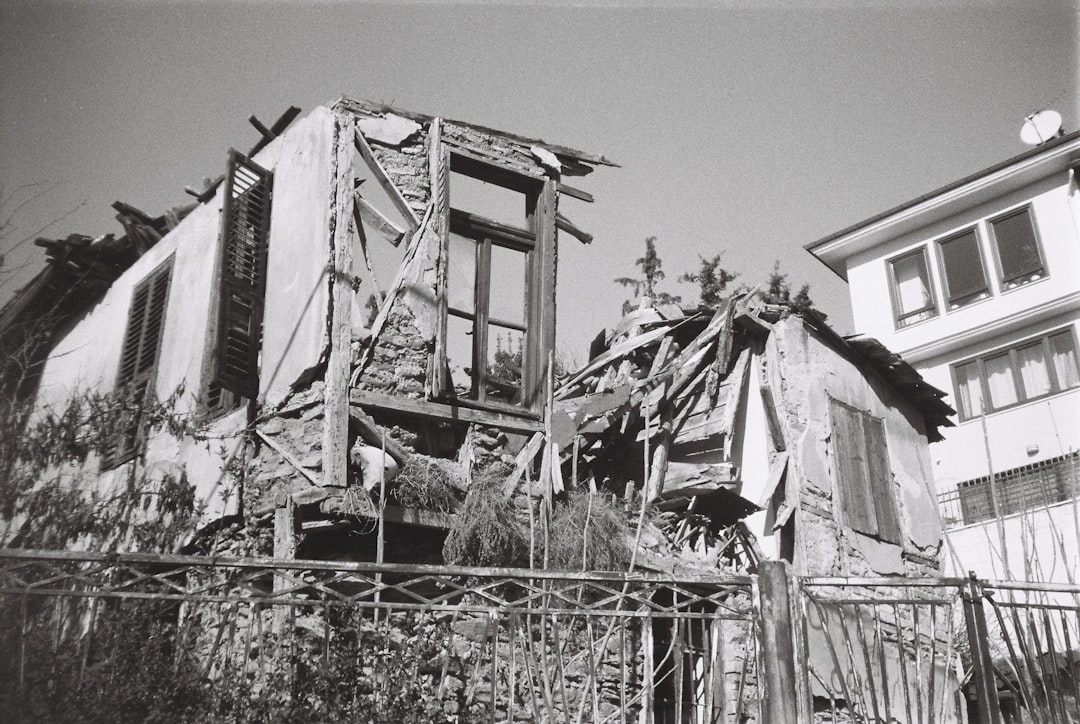
When you walk through a city filled with historic architecture, you can feel the weight of history in every brick and beam. Preserving these structures is not merely about maintaining old buildings; it’s about safeguarding the stories and cultural heritage that they represent. Each historic site serves as a tangible connection to the past, offering insights into the lives of those who came before you.
By preserving these architectural treasures, you ensure that future generations can appreciate and learn from the rich tapestry of history that shapes their community. Moreover, historic architecture often embodies unique craftsmanship and design that is rarely replicated in modern construction.
When you choose to preserve these buildings, you are also choosing to honor the artisans and builders who poured their skills and creativity into their work. This appreciation for craftsmanship not only enriches your community’s aesthetic but also fosters a sense of pride among residents, creating a deeper connection to their surroundings.
Key Takeaways
- Preserving historic architecture is important for maintaining a connection to the past and preserving cultural heritage.
- Minimizing environmental impact through sustainable building practices is crucial for reducing the carbon footprint of construction projects.
- Protecting public safety is a priority when preserving historic architecture to ensure that buildings are structurally sound and meet safety standards.
- Maintaining property value is a key benefit of preserving historic architecture, as it can attract tourists and potential buyers.
- Promoting sustainable development through historic preservation can lead to a more environmentally friendly and economically viable community.
Minimizing Environmental Impact
In an age where environmental concerns are at the forefront of global discussions, preserving historic architecture plays a crucial role in minimizing your carbon footprint. The process of demolishing old buildings and constructing new ones often results in significant waste and energy consumption. By choosing to restore and repurpose existing structures, you can significantly reduce the environmental impact associated with new construction.
This approach not only conserves resources but also promotes a more sustainable way of living. Additionally, many historic buildings were constructed using materials that are more environmentally friendly than those commonly used today. By maintaining these structures, you are not only preserving their historical value but also promoting the use of sustainable materials.
This practice can lead to a reduction in the demand for new resources, ultimately contributing to a healthier planet. When you advocate for the preservation of historic architecture, you are making a conscious choice to protect the environment for future generations.
Protecting Public Safety
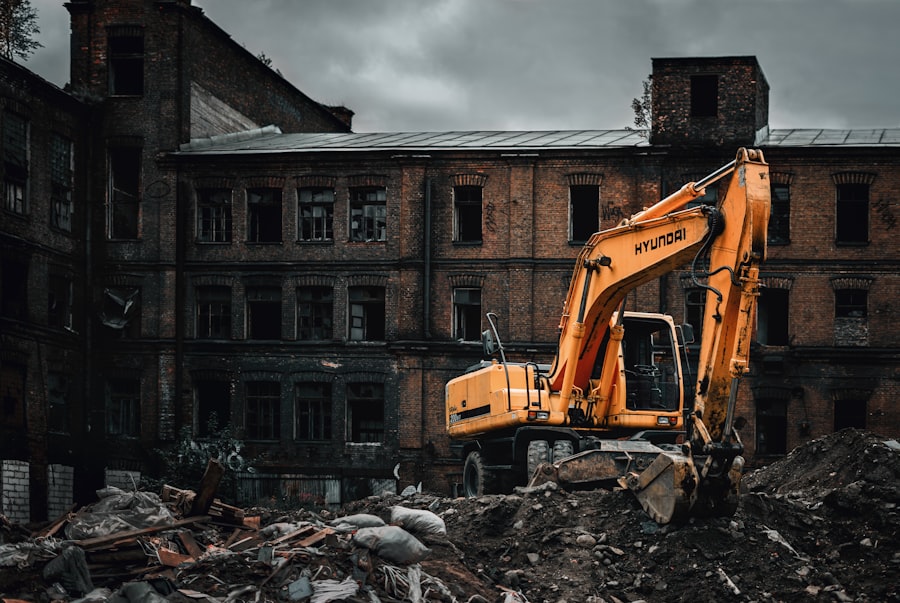
Preserving historic architecture is not just about aesthetics; it also plays a vital role in ensuring public safety. Many older buildings are constructed with solid materials and techniques that have stood the test of time. By maintaining these structures, you can ensure that they remain safe for public use while also retaining their historical significance.
Regular inspections and renovations can address any structural issues, allowing you to enjoy these spaces without compromising safety. Furthermore, preserving historic sites often involves updating them to meet modern safety standards without sacrificing their character. This balance is essential for maintaining public trust in these spaces.
When you support preservation efforts, you contribute to creating environments that are both safe and historically rich, allowing everyone to appreciate the beauty of your community while feeling secure.
Maintaining Property Value
Historic architecture can significantly enhance property values in your community. When you invest in preserving these buildings, you are not only protecting their historical significance but also contributing to the overall appeal of the neighborhood. Well-maintained historic sites often attract tourists and new residents alike, leading to increased demand for properties in the area.
This heightened interest can result in rising property values, benefiting homeowners and local businesses. Moreover, communities that prioritize historic preservation often see a boost in economic activity. As property values rise, so does the potential for increased tax revenue, which can be reinvested into local infrastructure and services.
By supporting preservation initiatives, you are not only safeguarding your investment but also contributing to the long-term economic health of your community.
Promoting Sustainable Development
Sustainable development is a critical consideration in today’s urban planning discussions, and preserving historic architecture aligns perfectly with this goal. By reusing existing structures, you reduce the need for new construction, which often comes with significant environmental costs. This approach encourages a more sustainable use of resources while maintaining the character of your community.
In addition to environmental benefits, preserving historic buildings can foster a sense of place that is often lost in modern developments. When you choose to maintain these structures, you create a unique identity for your community that attracts residents and visitors alike. This sense of place is essential for fostering community pride and engagement, making it clear that sustainable development goes hand-in-hand with preserving your local heritage.
Preserving Community Character

Every community has its own unique character shaped by its history and architecture. When you preserve historic buildings, you help maintain this character, ensuring that your neighborhood retains its distinct identity amidst rapid urbanization. These structures tell stories about the people who lived there, the events that took place, and the evolution of your community over time.
Moreover, preserving community character fosters a sense of belonging among residents. When people feel connected to their surroundings, they are more likely to engage with their neighbors and participate in local events. This sense of community is invaluable in today’s fast-paced world, where many individuals feel disconnected from their environment.
By advocating for historic preservation, you contribute to creating a vibrant community where people feel proud to live and work.
Reducing Disruption to Local Businesses
When urban development projects involve demolishing historic buildings, local businesses often suffer from the disruption caused by construction activities. Preserving these structures allows businesses to continue operating without interruption while maintaining the unique charm that attracts customers. This stability is crucial for small businesses that rely on foot traffic and community support.
Additionally, historic districts often become popular destinations for tourists and locals alike. By preserving these areas, you create an environment that encourages shopping, dining, and entertainment within your community. This not only benefits local businesses but also enhances the overall economic vitality of your neighborhood.
When you support preservation efforts, you are helping to create a thriving local economy that benefits everyone.
Supporting Local Economy
The economic benefits of preserving historic architecture extend beyond property values and local businesses; they also contribute to job creation and tourism revenue. Restoration projects often require skilled laborers, artisans, and contractors who specialize in working with older buildings. By investing in these projects, you help create jobs within your community while also supporting local craftsmanship.
Furthermore, preserved historic sites can attract tourists who are eager to explore the unique history and culture of your area. This influx of visitors can lead to increased spending at local shops, restaurants, and attractions, providing a significant boost to your local economy. When you advocate for historic preservation, you are not just protecting buildings; you are investing in the economic future of your community.
Ensuring Compliance with Local Regulations
Historic preservation often involves navigating complex regulations designed to protect cultural heritage. By supporting preservation efforts, you help ensure compliance with these regulations while promoting responsible development practices within your community. Understanding and adhering to local guidelines is essential for maintaining the integrity of historic sites while allowing for necessary updates and renovations.
Moreover, compliance with preservation regulations can enhance your community’s reputation as a responsible steward of its cultural heritage. When residents see that their local government prioritizes preservation efforts, it fosters trust and encourages further engagement in community initiatives. By advocating for compliance with preservation standards, you contribute to creating a culture of respect for history and heritage within your neighborhood.
Preserving Affordable Housing
In many urban areas, historic buildings offer opportunities for affordable housing solutions. By repurposing these structures into residential units or mixed-use developments, you can provide much-needed housing options without compromising their historical significance. This approach not only preserves architectural heritage but also addresses pressing housing needs within your community.
Furthermore, preserving affordable housing within historic buildings helps maintain diversity within neighborhoods. When people from various backgrounds can afford to live in historically significant areas, it fosters a sense of inclusivity and belonging. By supporting initiatives that promote affordable housing through preservation efforts, you contribute to creating vibrant communities where everyone has a place.
Promoting Responsible Urban Development
As cities continue to grow and evolve, responsible urban development becomes increasingly important. Preserving historic architecture is a key component of this approach, as it encourages thoughtful planning that respects both history and modern needs. By integrating preservation into urban development strategies, you can create spaces that honor the past while accommodating future growth.
Moreover, responsible urban development involves engaging with community members to understand their needs and desires for their neighborhoods.
This collaborative approach fosters a sense of ownership among residents and promotes sustainable growth that benefits everyone involved.
In conclusion, preserving historic architecture is essential for maintaining cultural heritage, minimizing environmental impact, ensuring public safety, and supporting local economies. By recognizing the importance of these structures in shaping community character and promoting responsible urban development, you contribute to creating vibrant neighborhoods that honor their past while embracing the future. Your advocacy for preservation efforts not only enriches your own life but also leaves a lasting legacy for generations to come.
FAQs
What is a demolition-free process for properties in Portland, Oregon?
A demolition-free process for properties in Portland, Oregon refers to the renovation or redevelopment of a property without the need for complete demolition of existing structures. This approach focuses on preserving the existing building and its historical or architectural significance while making necessary improvements or changes.
Why is a demolition-free process essential for properties in Portland, Oregon?
A demolition-free process is essential for properties in Portland, Oregon due to the city’s commitment to sustainability, historic preservation, and environmental conservation. By avoiding unnecessary demolition, property owners can contribute to the preservation of Portland’s unique architectural heritage and reduce the environmental impact of construction and redevelopment projects.
What are the benefits of a demolition-free process for properties in Portland, Oregon?
The benefits of a demolition-free process for properties in Portland, Oregon include preserving the character and history of the city’s neighborhoods, reducing construction waste and environmental impact, and potentially saving time and costs associated with demolition and new construction. Additionally, it can help maintain the availability of affordable housing and support sustainable urban development.
How can property owners in Portland, Oregon implement a demolition-free process?
Property owners in Portland, Oregon can implement a demolition-free process by working with architects, contractors, and preservation experts who specialize in adaptive reuse and renovation projects. This may involve conducting thorough assessments of the existing building, exploring sustainable design and construction techniques, and obtaining necessary permits and approvals from local authorities.
Leave a Reply
You must be logged in to post a comment.